
 +86 13794985240





0102030405
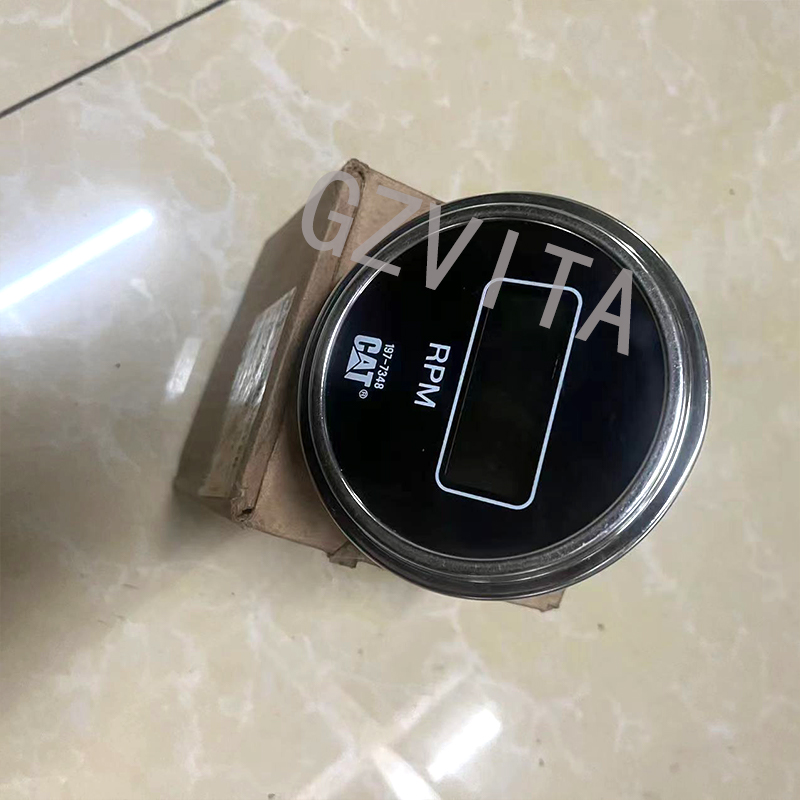



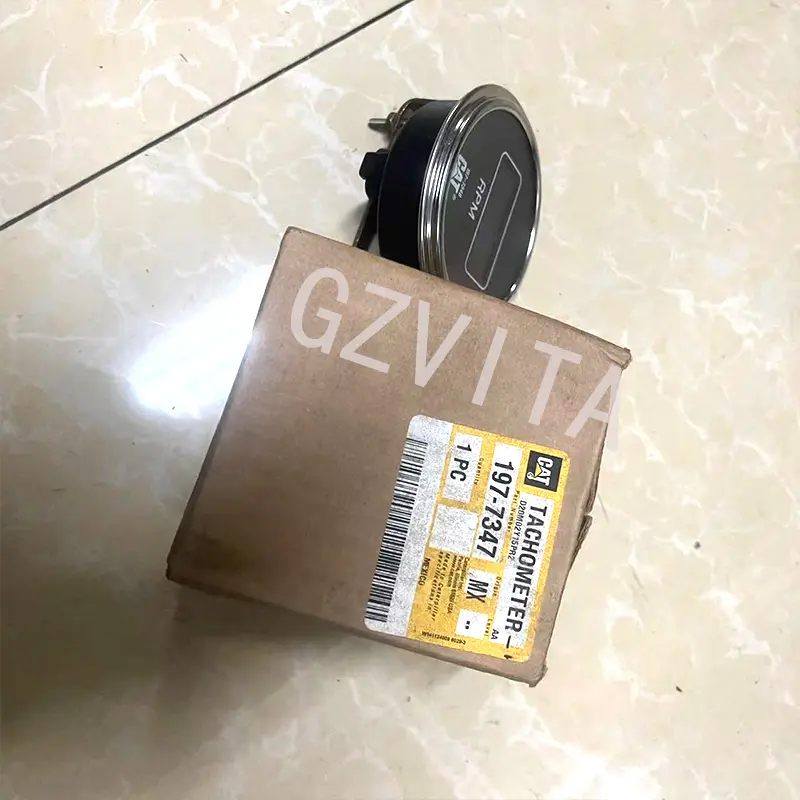
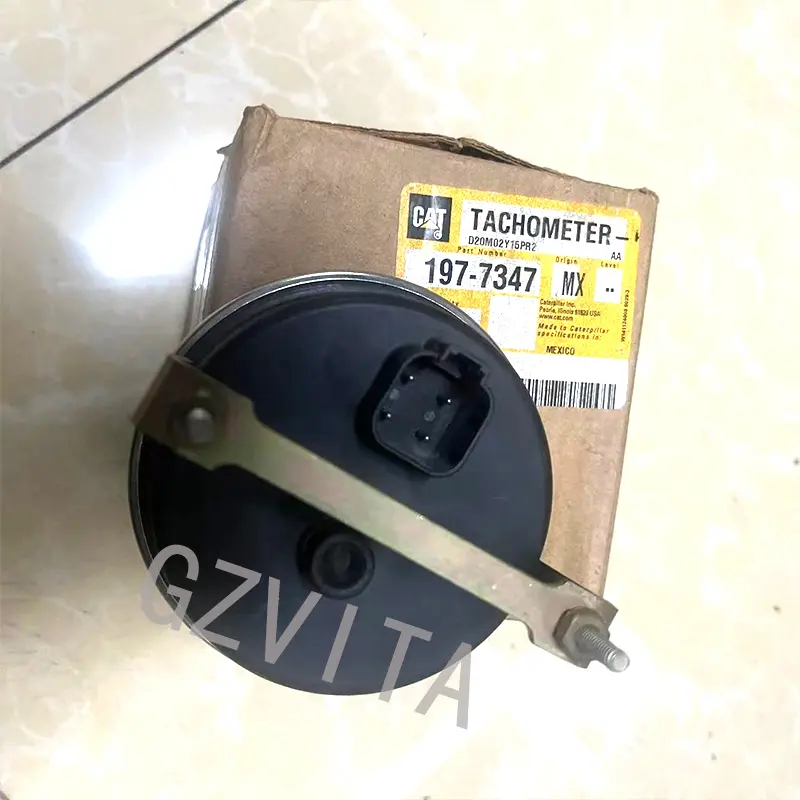
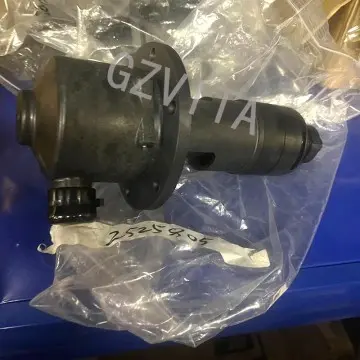
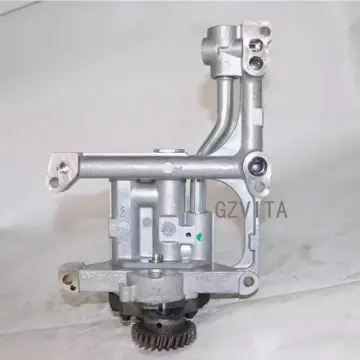
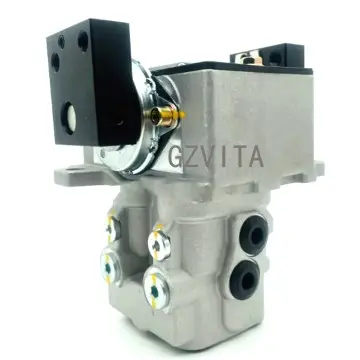
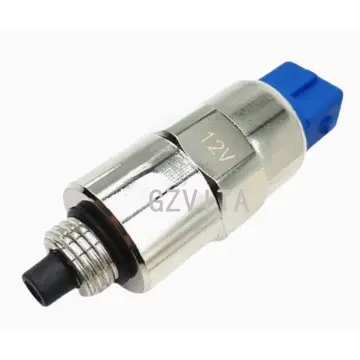
32 Volt Direct Current Electric Tachometer 197-7347 For 3208 engine
The introduction to an electric tachometer
An electric tachometer is an instrument designed to measure the rotational speed (RPM - Revolutions Per Minute) of a shaft, engine, motor, or other rotating component by converting the mechanical rotation into an electrical signal. Unlike older mechanical tachometers that used centrifugal force or fluid coupling, electric tachometers rely on electrical principles, offering greater accuracy, versatility, and remote sensing capabilities.
Why Use Electric Tachometers?
They have largely replaced mechanical types due to key advantages:
- Higher Accuracy & Precision: Less susceptible to mechanical wear and calibration drift.
- Remote Sensing: The sensor can be located at the rotating component, while the display/readout can be placed far away (e.g., a car dashboard).
- Durability & Reliability:Fewer or no moving parts in the sensor lead to less wear and tear and longer life.
- Wider RPM Range: Capable of measuring very high and very low speeds effectively.
- Signal Versatility: The electrical output (voltage, current, frequency) can be easily interfaced with other systems like data loggers, engine control units (ECUs), warning lights, or digital displays.
- Compact Size: Sensors can be very small.
- No Load on Shaft: Most types (except small generator types) impose negligible mechanical load.
Core Working Principle:
Electric tachometers work by generating an electrical signal whose characteristic (voltage magnitude, current magnitude, or pulse frequency) is directly proportional to the rotational speed. This signal is then processed and displayed as RPM.