How to Choose the Best Cylinder Seal Kits for Your Needs?
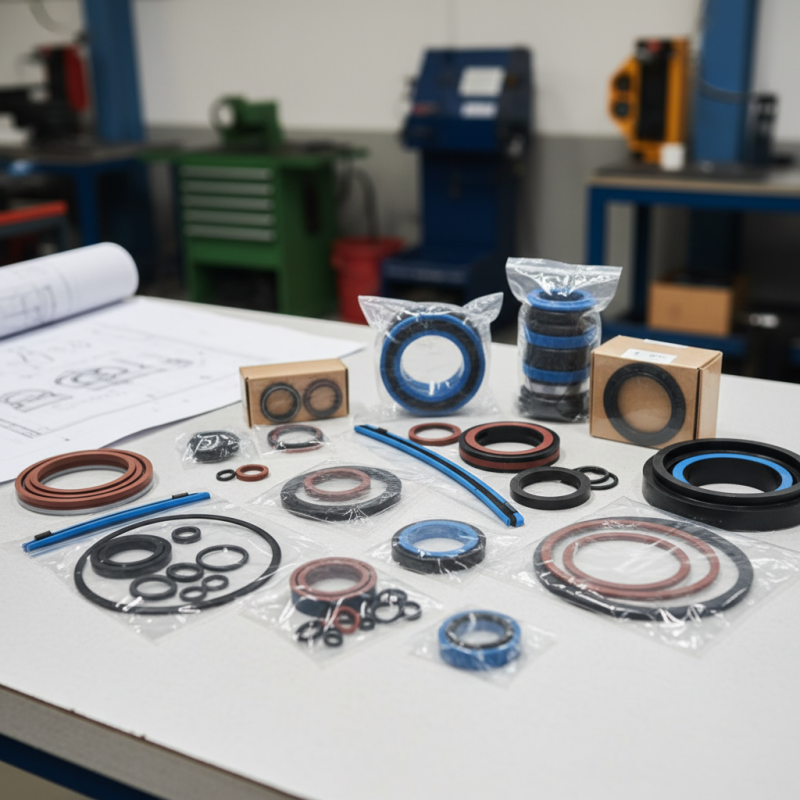
Choosing the right Cylinder Seal Kits is crucial for maintaining the performance of your equipment. The right kit ensures optimal sealing and prevents costly leaks. With numerous options available, it's easy to feel overwhelmed.
Consider your equipment type and the specific application. Each project may require a unique seal. Not every kit will meet your needs perfectly. Researching different materials and designs is essential. This effort can save you from future headaches.
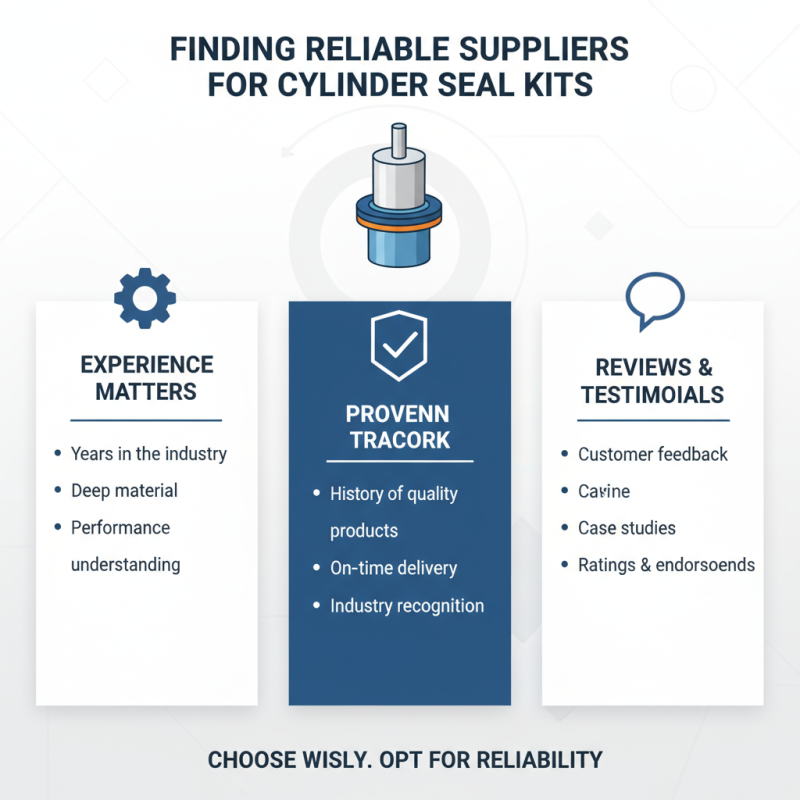
Seek out reputable suppliers with expertise in Cylinder Seal Kits. Reviews and testimonials can provide insights into quality and reliability. Remember, the cheapest option is not always the best. Investing in high-quality kits will yield better long-term results. Reflect on your choices, as they impact performance and safety.
Understanding Cylinder Seal Kits and Their Importance
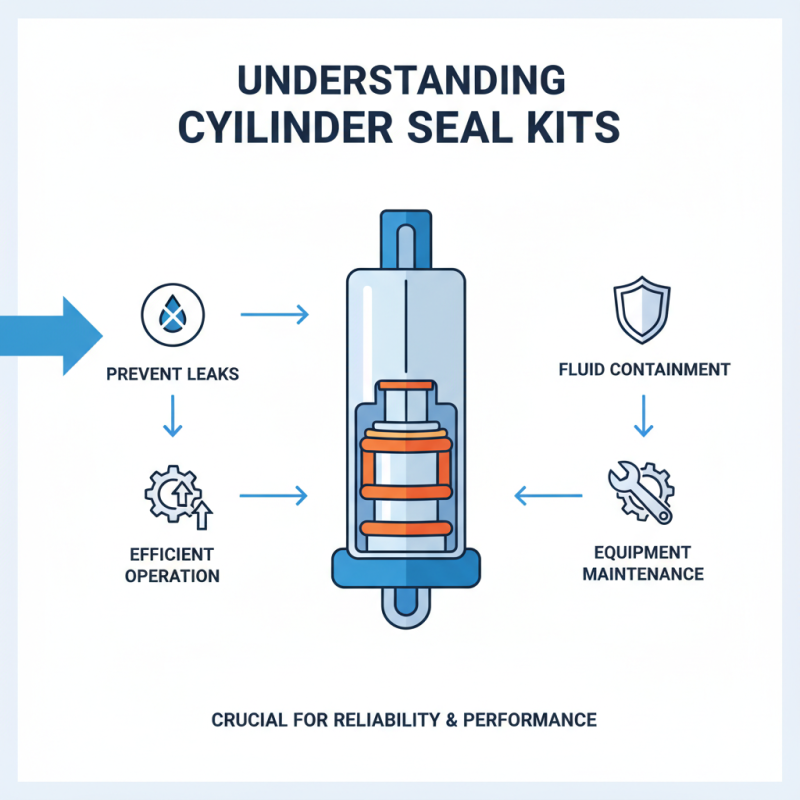
Cylinder seal kits are essential components in various machinery. They help maintain efficient operation by preventing leaks and ensuring proper fluid containment. Understanding their importance is crucial for anyone involved in equipment maintenance.
When selecting a cylinder seal kit, several factors must be considered. Compatibility is vital; the kit should match the specific equipment model. Material quality can also impact durability. For instance, rubber seals may wear out quickly in harsh conditions. Additionally, the environmental factors where the machinery operates, such as temperature and pressure, play a significant role.
It's important to remember that even the best kits can have limitations. For example, improper installation can lead to leaks, negating their purpose. Regular inspections are necessary to ensure seals remain effective. A little attention can prevent significant machinery failures down the line.
Key Factors to Consider When Selecting Cylinder Seal Kits
When selecting cylinder seal kits, several key factors come into play. The type of application is crucial. Different machines require specific seals to function correctly. You must understand whether the seals will be used in hydraulic, pneumatic, or other systems. This decision affects material choice and design.
Material compatibility is another essential factor. Seals must resist the pressure and temperature in your environment. For instance, rubber seals may not withstand extreme heat or chemical exposure. Choosing the right material can prevent early wear and potential leaks, which may lead to expensive repairs later.
It’s also important to consider the size and fit of the cylinder seal. An incorrect size can lead to malfunction or reduced efficiency. Measuring the cylinder accurately ensures a proper seal, reducing the risk of failures. Reflecting on these elements can guide you toward the best choice for your needs.
How to Choose the Best Cylinder Seal Kits for Your Needs?
| Key Factor |
Considerations |
Recommended Features |
| Material Quality |
Look for durable materials such as Nitrile or Viton. |
Temperature and chemical resistance. |
| Size Compatibility |
Ensure the kit fits the specific cylinder dimensions. |
Check OEM specifications. |
| Seal Type |
Identify the type of seals required (O-rings, piston seals). |
Multiple seal types for different applications. |
| Application Environment |
Consider the working environment: lubricated, harsh chemicals, etc. |
Custom options for specialized environments. |
| Installation Ease |
Assess whether the seals are easy to install or require special tools. |
User-friendly installation guides. |
| Cost |
Evaluate pricing according to your budget without sacrificing quality. |
Cost-effective options with warranty. |
Types of Cylinder Seal Kits and Their Applications
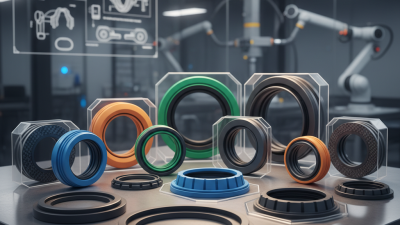
When selecting cylinder seal kits, it's essential to consider their types and applications. Different industries utilize various seals. For example, in hydraulic applications, O-rings are widely used due to their flexibility and pressure resistance. According to a report by MarketsandMarkets, the global hydraulic seals market is projected to grow from $4.3 billion in 2021 to $5.7 billion by 2026.
Rotary seals, another common type, find their place in automotive and industrial applications. They prevent leakage in rotating shafts. A study from Grand View Research noted that the global rotary shaft seals market is expected to expand significantly, with a projected value of $2.1 billion by 2028. This growth underscores the importance of choosing the right seals for specific mechanical functions.
Each type of cylinder seal kit serves a unique purpose. Choosing the right seal involves understanding operating conditions. Factors such as temperature, pressure, and fluid compatibility must be considered. Making an uninformed decision can lead to premature failures. It is crucial to assess your specific needs before making a purchase.
How to Assess Quality and Compatibility of Seal Kits
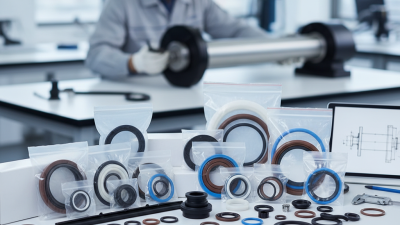
When assessing the quality of cylinder seal kits, consider the materials used. High-quality seals often utilize synthetic rubber or high-grade polymers. Inferior materials may lead to premature failure. Look for seals that can withstand extreme temperatures and pressures. Their durability is essential for reliable performance.
Compatibility is another crucial factor. Ensure that the seal kit matches your equipment's specifications. Mismatched sizes can lead to leaks and damage. It’s advisable to consult your equipment manual for the exact dimensions and specifications. Sometimes, it may take extra time to find the perfect fit. Avoid the temptation to rush this process, as a small oversight can result in significant setbacks.
Overall, always seek products that are backed by reputable manufacturers. Reading reviews can provide insights into the experiences of other users. Different applications may require different features, which can complicate your choices. Be reflective on previous purchases and learn from any mistakes. It's part of the journey to find the best for your needs.

 +86 18578756148
 CONTACT NUMBER
 CONTACT NUMBER
 CONTACT NUMBER
 CONTACT NUMBER