Top Air Filters to Buy in 2025 for Cleaner Indoor Air Quality
Indoor air quality has become a significant concern for homeowners and health experts alike, especially as contemporary living spaces often prioritize energy efficiency over ventilation. According to the Environmental Protection Agency (EPA), indoor air can be up to five times more polluted than outdoor air, primarily due to airborne pollutants such as dust, pollen, pet dander, and volatile organic compounds (VOCs). This alarming statistic underscores the critical need for effective air filtration solutions that enhance the safety and comfort of our living environments.
As we look ahead to 2025, advancements in technology and an increasing focus on health and wellness will drive the demand for top-performing air filters. Reports from industry experts anticipate a growth rate of over 6% annually in the air filtration market, highlighting a burgeoning interest among consumers to invest in their indoor air quality. Air filters not only capture harmful particles but also play a crucial role in reducing allergens and respiratory issues, making them an essential component of modern home living. With a plethora of options available, choosing the right air filter will be vital for ensuring a healthier indoor atmosphere.
Understanding Indoor Air Quality and Its Importance
Indoor air quality (IAQ) is a crucial aspect of our overall health and well-being. Poor IAQ can lead to various health issues, including respiratory problems, allergies, and fatigue. Common indoor pollutants such as dust, pet dander, mold spores, and volatile organic compounds can accumulate over time, particularly in poorly ventilated spaces. Understanding these factors highlights the importance of regularly assessing and improving the air quality in our homes and workplaces.
Effective air filtration systems play a significant role in maintaining cleaner indoor air. High-quality air filters can capture a wide range of airborne contaminants, significantly reducing their presence in our living and working environments. This is particularly important for individuals with pre-existing health conditions or sensitivities. An investment in quality air filtration not only enhances comfort but also promotes a healthier living atmosphere, emphasizing the critical nature of indoor air quality management in our daily lives.
Types of Air Filters: An Overview of Options Available
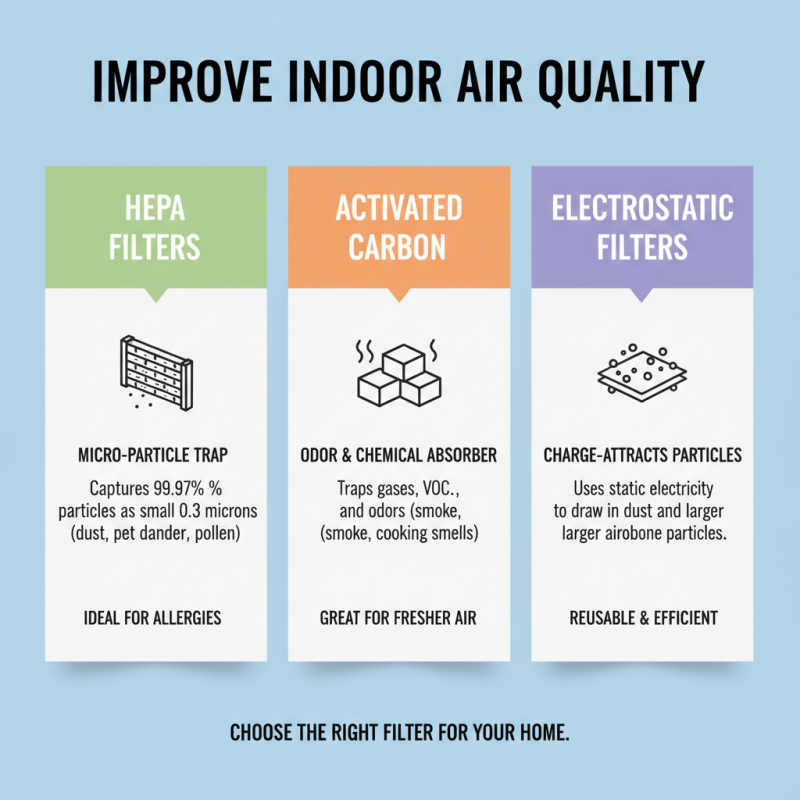
When it comes to improving indoor air quality, understanding the various types of air filters available is crucial. Air filters come in several forms, each designed to tackle specific pollutants and allergens. HEPA filters, for instance, are renowned for their efficiency in trapping microscopic particles, including dust mites and pet dander. These filters can capture 99.97% of particles as small as 0.3 microns, making them an excellent choice for individuals with allergies or respiratory issues.
Another popular option is activated carbon filters, which excel in removing odors and chemical vapors from the air. They work by adsorbing gases and fumes, making them particularly useful in environments that may have strong smells from cooking, pets, or household chemicals. Additionally, some air filters incorporate UV lights, which can eliminate bacteria and viruses, providing an extra layer of protection for indoor spaces. Understanding these variations can help consumers select the most suitable air filter for their specific needs, ensuring cleaner air and a healthier living environment.
Key Features to Look for in 2025 Air Filters
When considering air filters for 2025, it’s essential to focus on the key features that will ensure cleaner indoor air quality. One of the most crucial factors is the filter’s MERV rating, which measures its ability to capture airborne particles. Filters with a higher MERV rating (between 8 and 16) are better at trapping allergens like dust, pollen, and pet dander, making them a must-have for those with sensitivities or allergies.
Additionally, consider filters that can capture smaller particles, including smoke and bacteria, to enhance overall air purity.
Another important feature to look for is the filter's lifespan and maintenance frequency. Opt for filters that are designed to last longer, which not only saves you money but also encourages regular replacements—a key factor in ensuring optimal performance. Some advanced models come with indicators that signal when it's time for a change. This feature can simplify your maintenance routine while keeping your air quality consistent.
Tips for maintaining your air filter include setting a reminder for regular checks and using high-quality pre-filters to extend the life of your main filter. Also, consider investing in a filter with a carbon layer to help neutralize odors, promoting not just cleaner air but also a fresher indoor environment. By selecting filters with these features, you can dramatically improve your indoor air quality in 2025.
Top Air Filters Recommended for Different Room Sizes
When considering air quality in our homes, it's crucial to choose the right air filter tailored to the size of each room. According to a report by the American Lung Association, poor indoor air quality can exacerbate respiratory issues and overall health. To combat this, selecting an air filter with an adequate Clean Air Delivery Rate (CADR) based on room size is essential.
For small rooms up to 150 square feet, filters with a CADR of 100-120 are typically recommended. They effectively capture dust, pollen, and smoke particles, ensuring a fresher and cleaner environment.
For medium-sized rooms, ranging from 150 to 400 square feet, a higher CADR of 200-250 is ideal. This output allows for better circulation and filtration of indoor air contaminants. Studies indicate that rooms with effective filtration can reduce airborne pollutants by as much as 70%, significantly enhancing air quality for occupants.
Lastly, larger spaces over 400 square feet require filters with a CADR exceeding 300, as they need to handle a greater volume of air to maintain respiratory health. Investing in the right air filter based on room size not only improves air quality but also contributes to a healthier living environment, emphasizing the importance of informed choices in air filtration.
Maintenance Tips for Maximizing the Efficiency of Air Filters
To ensure optimal performance from your air filters, regular maintenance is crucial. One of the simplest yet most effective maintenance tips is to check and replace the filters according to the manufacturer’s recommendations or when they appear dirty. A clogged filter can impede airflow, reducing the filter’s efficiency and increasing energy costs. Regularly monitoring your filter's condition will help maintain a healthy indoor environment.
Another important tip is to keep the surrounding area of the air filter clean. Dust and debris can accumulate around the filter housing, which can further restrict airflow. Make sure to vacuum or wipe down the area to ensure that nothing blocks the intake or exhaust points. Additionally, consider using a vacuum cleaner with a HEPA filter while cleaning to prevent any dust from re-entering the air.
Finally, if your system allows, invest in a programmable or smart thermostat. These devices can help you schedule regular air filter checks and replacements based on your usage patterns, ensuring that your filter is always in optimal condition. By following these maintenance tips, you can extend the life of your air filters and improve indoor air quality significantly.
Effectiveness of Different Air Filter Types in Improving Indoor Air Quality

 +86 13794985240
 CONTACT NUMBER
 CONTACT NUMBER