Top 10 Bucket Cylinder Suppliers in China for Global Buyers?
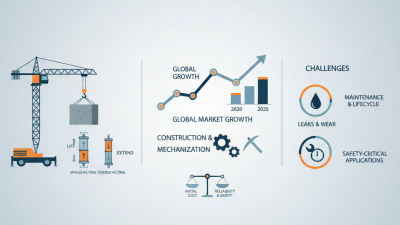
The demand for bucket cylinders has surged globally, reflecting their critical role in construction and heavy machinery applications. According to a recent market analysis by Reports and Data, the hydraulic cylinder market is expected to reach $22 billion by 2026, growing at a CAGR of 4.5%. This increase highlights the vital importance of quality suppliers in the bucket cylinder market, especially in China, where production capabilities are vast and efficient.
China stands out as a leader in manufacturing bucket cylinders due to its advanced technology and raw material availability. However, with so many suppliers, selecting the right one can be challenging for global buyers. Industry experts emphasize the need for thorough evaluation of quality and reliability. A report from Technavio states that nearly 50% of suppliers fail to meet required quality standards. This statistic warrants caution among buyers when sourcing bucket cylinders.
Understanding the landscape of bucket cylinder suppliers in China can empower buyers to make informed decisions. Not all suppliers offer the same level of expertise or product quality. A comprehensive review of potential suppliers is essential to ensure longevity and performance, reflecting both the buyers' investment and operational reliability. As the market continues to evolve, ensuring that the selected suppliers align with production needs remains key.
Overview of Bucket Cylinder Applications in Various Industries
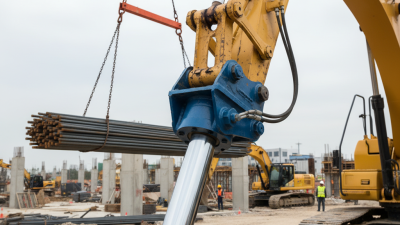
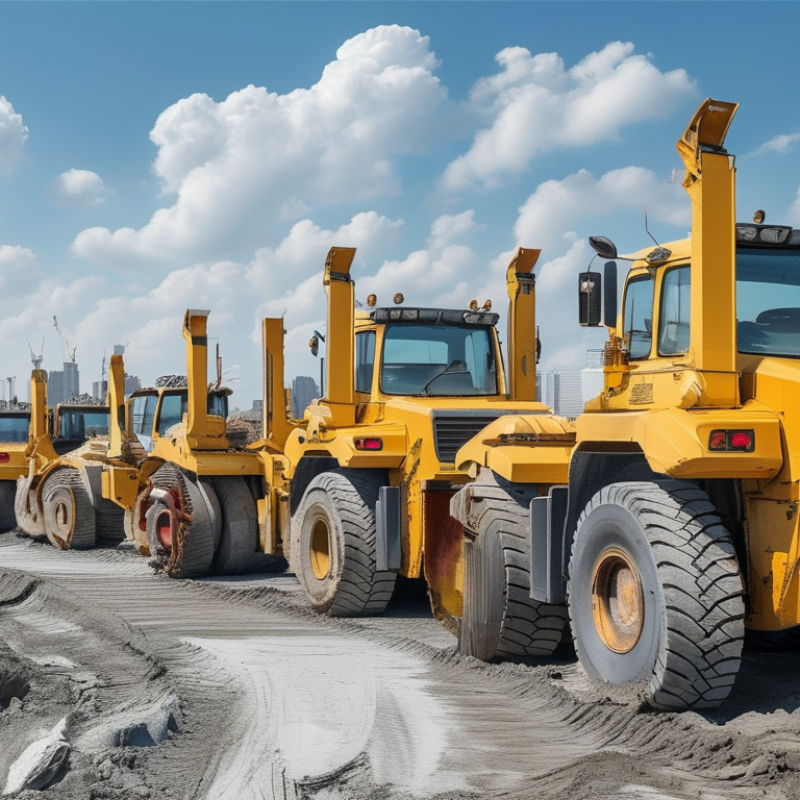
Bucket cylinders play a crucial role in various industries. They are essential in construction, agriculture, and waste management. These hydraulic components provide the necessary power for lifting and moving heavy loads. In construction, for example, bucket cylinders assist in excavating and material handling. Their efficiency directly influences project timelines.
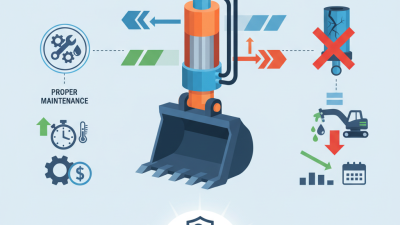
In agriculture, they enhance the performance of machinery like front loaders and backhoes. These cylinders enable farmers to transport soil and crops effectively. The reliability of bucket cylinders is vital for boosting productivity. However, wear and tear can affect their performance. Regular maintenance is necessary to prevent unexpected failures.
The waste management sector also relies on bucket cylinders for compacting and lifting waste. Here, the focus is on safety and efficiency. Designing cylinders with durable materials can mitigate risks. Each industry has unique needs from these cylinders. Recognizing these variations can lead to better purchasing decisions.
Criteria for Evaluating China's Top Bucket Cylinder Suppliers
When evaluating bucket cylinder suppliers in China, several factors matter. Quality assurance stands as the most crucial criterion. Certifications like ISO can indicate compliance with international standards. This gives buyers confidence in product reliability. Inspecting a supplier's manufacturing processes might reveal their commitment to quality.
Another important aspect is the supplier's experience. A company with a decade in the industry likely has refined its operations. This experience can reflect in the quality of its products. Moreover, customer testimonials provide insights into reliability. They can highlight strengths and potential weaknesses.
Tips: Check for after-sales support. Effective communication plays a key role in long-term partnerships. Look for companies that are responsive.
Pricing is naturally significant for buyers. However, the cheapest option isn't always the best. Some suppliers may cut corners on materials or production practices. It’s wise to request samples and perform a quality check before commitment. Balancing cost and quality is a continual challenge.
Tips: Don’t rush into decisions. Take time to compare different suppliers. Understanding your specific needs will lead to better choices.
List of Leading Bucket Cylinder Manufacturers in China
The bucket cylinder market in China has experienced consistent growth, driven by the rising demand for construction and mining machinery. According to recent industry reports, the global hydraulic cylinder market is projected to reach USD 20 billion by 2025, with a significant portion attributed to China's manufacturing capabilities. The nation's suppliers play a crucial role here, offering diverse options for global buyers.
Leading manufacturers focus on quality and performance. They implement strict quality control measures to maintain high production standards. Many invest in advanced technologies to enhance efficiency and durability. However, the industry occasionally faces challenges such as material shortages and fluctuating raw material costs. These factors can impact production timelines and pricing for buyers.
In addition, establishing reliable supplier relationships is key. It’s essential for buyers to evaluate suppliers based on their experience and production capacity. A thorough assessment can help avoid potential delays and ensure the best quality products. As the market continues to evolve, staying informed about supplier reliability and industry trends will benefit global buyers significantly.
Key Features and Specifications of Quality Bucket Cylinders
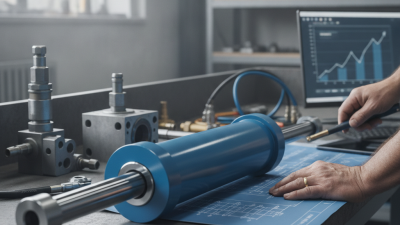
When selecting bucket cylinders, it is essential to consider key features and specifications. Quality bucket cylinders improve machinery efficiency and functionality. Most importantly, these cylinders should have high durability. Reports indicate that durable materials increase operational lifespan by up to 30%.
Additionally, stroke length plays a significant role in performance. A standard bucket cylinder ranges between 100mm to 1500mm. Using the correct stroke length guarantees optimal movement and power. Also, the cylinder's bore diameter impacts lifting capacity. It typically varies from 25mm to over 300mm based on application needs.
Seal design should not be overlooked. The ideal seals prevent fluid leakage, ensuring better performance. Poor seal quality can diminish efficiency. In a recent survey, around 40% of users reported issues due to seal failures. An efficient bucket cylinder must address common wear issues. Understanding these specifications is critical for global buyers seeking reliable suppliers.
Tips for Global Buyers When Sourcing from Chinese Suppliers
Sourcing bucket cylinders from China can be advantageous. Buyers should focus on quality and reliability. According to industry reports, Chinese manufacturers supply over 35% of the global market. This statistic underscores the significance of China in the supply chain.
When engaging with suppliers, buyers must conduct thorough research. Requesting certifications and quality control processes is essential. A survey by Global Industry Analysts indicated that 70% of buyers found inconsistencies in product quality. Thus, maintaining open communication can lead to better outcomes.
Additionally, consider logistics and shipping times. Delays can impact production schedules. The average lead time from China is 30-45 days. Based on recent trends, a growing number of buyers report concerns about hidden costs. Transparency in pricing can mitigate misunderstandings and foster trust in supplier relationships.

 +86 18578756148
 CONTACT NUMBER
 CONTACT NUMBER
 CONTACT NUMBER
 CONTACT NUMBER