
 +86 13794985240





0102030405


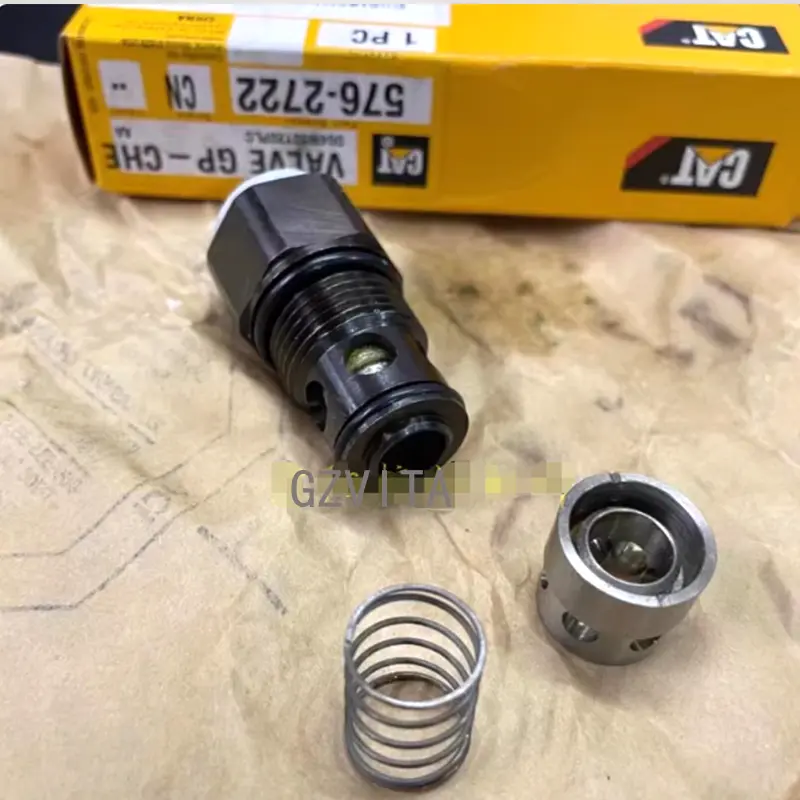
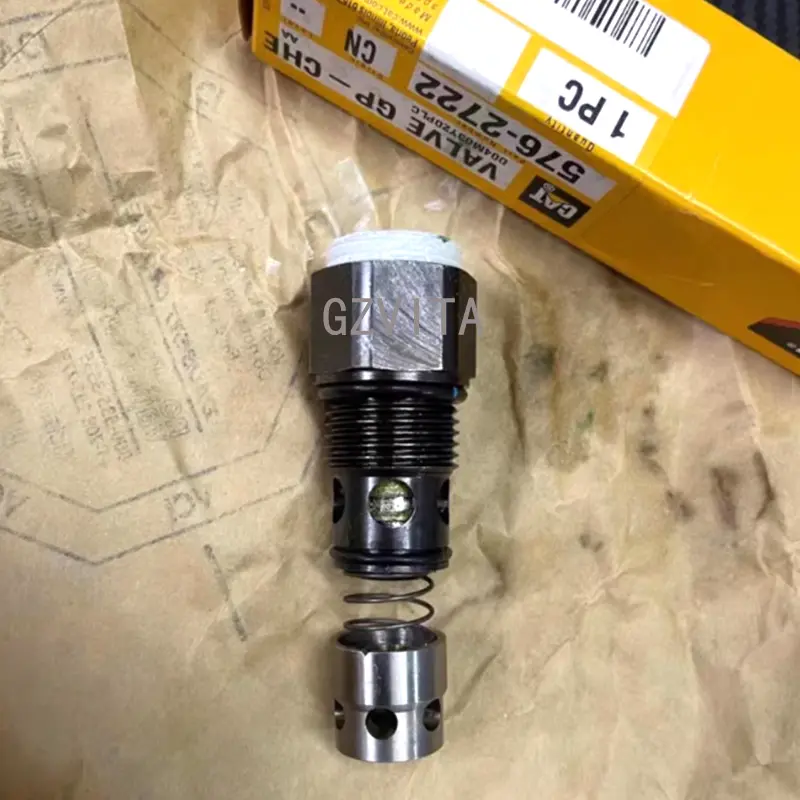
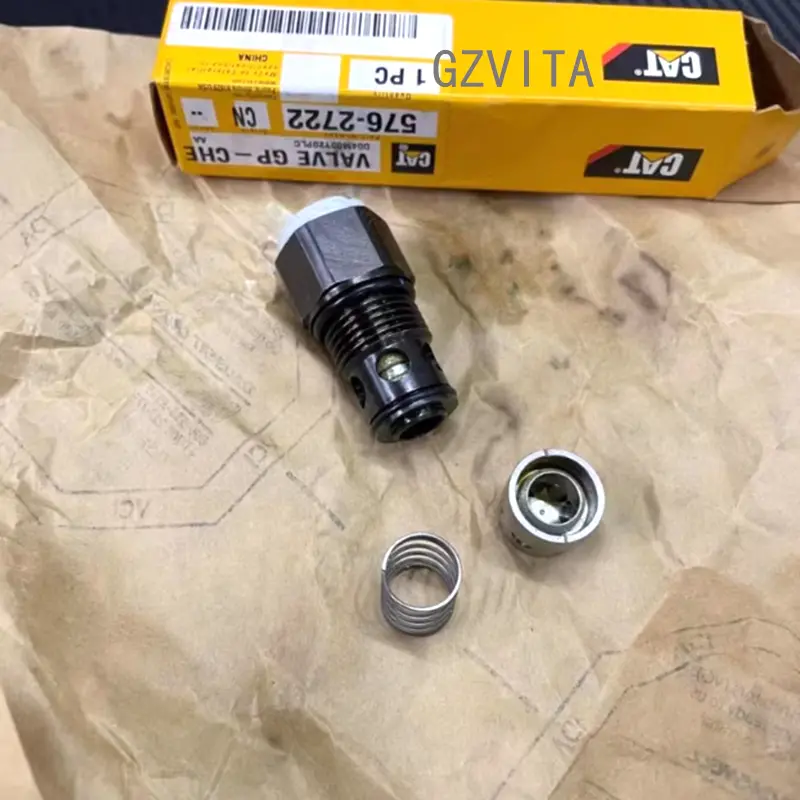
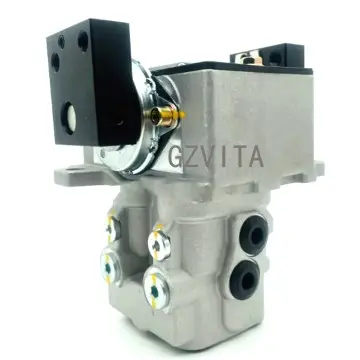
CAT Original Hydraulic Control Check Valve 576-2722 For CAT305.5E2
Introduction to Hydraulic Control Check Valve for CAT Mini Excavator
A hydraulic control check valve is an essential component in the hydraulic system of CAT mini excavators. It plays a critical role in ensuring the efficient and safe operation of the machine’s hydraulic functions. Here’s an overview of its purpose, functionality, and importance:
Purpose:
The primary function of a hydraulic control check valve is to allow fluid to flow in one direction while preventing backflow. This is crucial in hydraulic systems where maintaining pressure and controlling the direction of fluid flow is necessary for the proper operation of hydraulic components, such as cylinders and motors.
Functionality:
One-Way Flow: The check valve opens to allow hydraulic fluid to flow through when the pressure on the inlet side exceeds the pressure on the outlet side. When the pressure drops or attempts to flow in the reverse direction, the valve closes, preventing backflow.
Pressure Maintenance: By preventing backflow, the check valve helps maintain pressure in the hydraulic system, ensuring that hydraulic actuators (like boom and arm cylinders) operate effectively and respond promptly to operator commands.
Applications:
In CAT mini excavators, hydraulic control check valves are used in various applications, including:
Boom and Arm Control: They help control the movement of the boom and arm, allowing for precise operation during digging, lifting, and other tasks.
Attachment Control: Check valves are also used in systems that control hydraulic attachments, such as buckets, hammers, or grapples, ensuring that the hydraulic flow is directed appropriately.
Importance:
Safety: By preventing backflow, check valves help avoid potential hydraulic system failures that could lead to accidents or equipment damage.
Efficiency: Properly functioning check valves contribute to the overall efficiency of the hydraulic system, ensuring that power is effectively transmitted to the hydraulic actuators without unnecessary losses.
System Longevity: By maintaining proper fluid flow and pressure, check valves help reduce wear and tear on hydraulic components, extending the life of the entire hydraulic system.
Maintenance: Regular inspection and maintenance of hydraulic control check valves are essential to ensure they are functioning correctly. Signs of wear, such as leaks or failure to open/close properly, may indicate the need for replacement.