
 +86 13794985240





0102030405


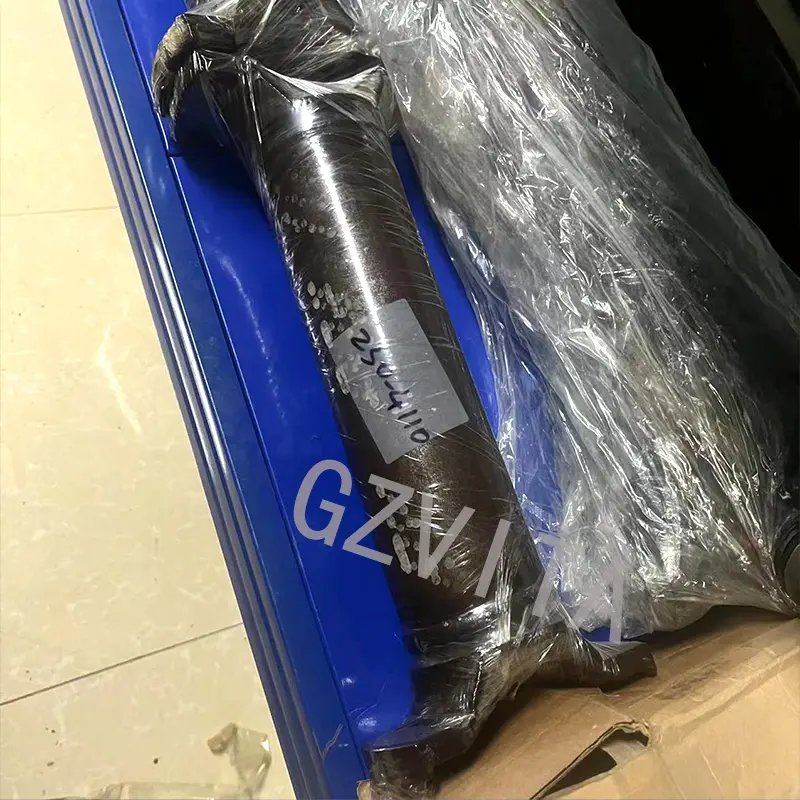
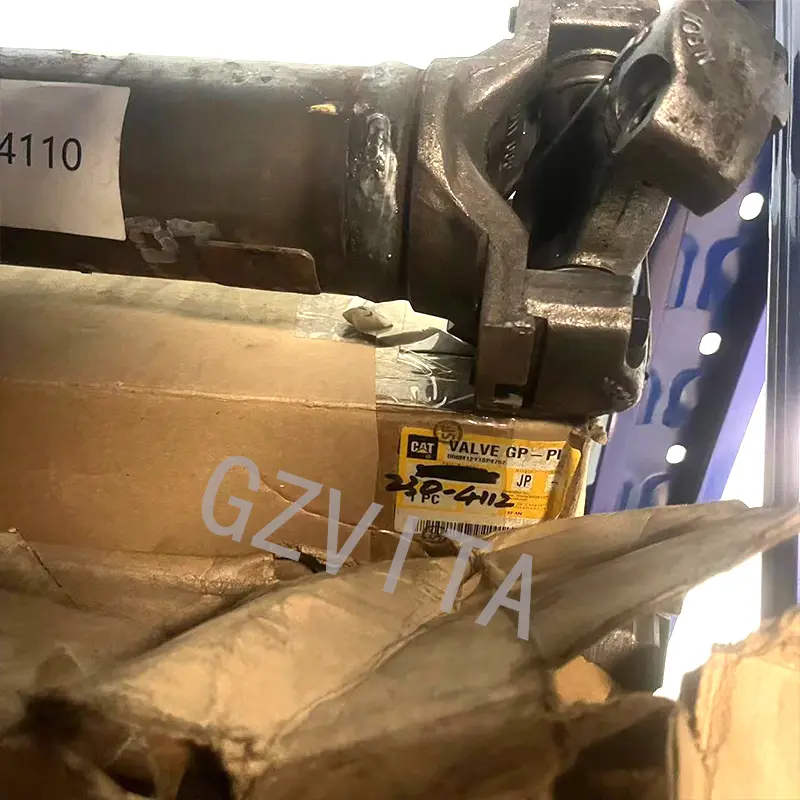
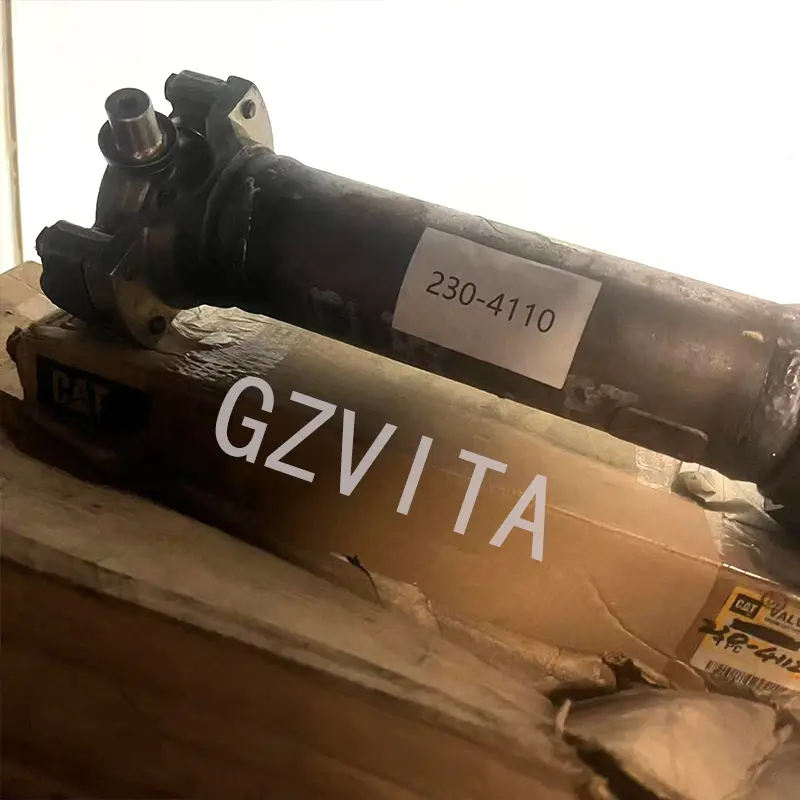
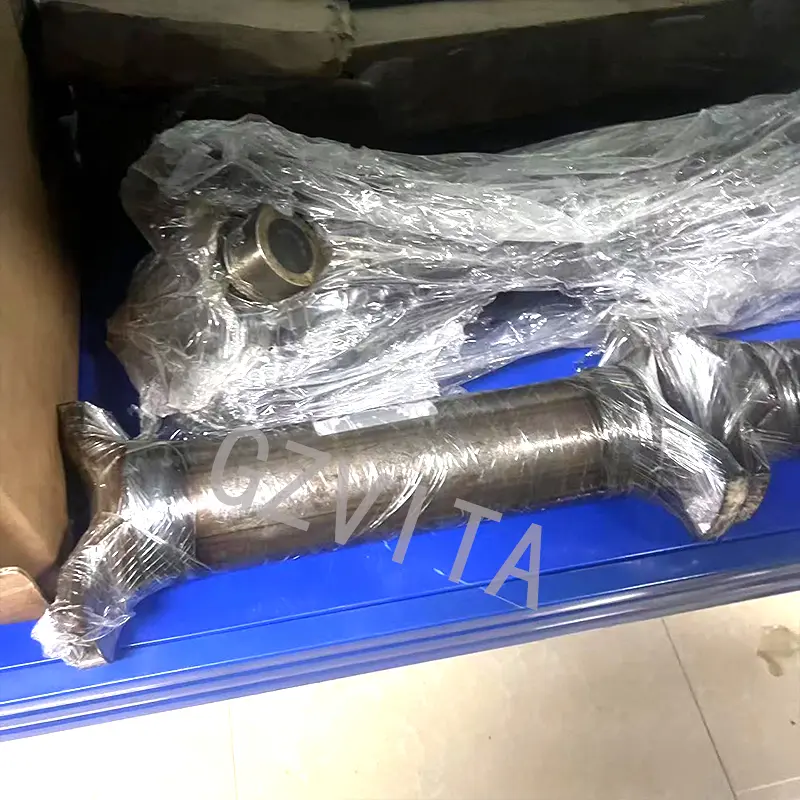
Caterpillar Universal Joint Group 230-4110 For Truck 785C 785D 2304110
Introduction to Universal Joint Group for a Truck
The universal joint (U-joint) group is a critical component in a truck's drivetrain system, enabling the transmission of torque and rotational motion between two shafts that are not in a straight line. It accommodates angular misalignment and allows smooth power transfer even when the driving and driven shafts are at an angle.
Key Functions of a Universal Joint Group:
Torque Transmission: Transfers power from the transmission to the differential or between driveline components.
Flexibility: Compensates for varying angles between connected shafts due to suspension movement.
Vibration Dampening: Helps reduce driveline vibrations for smoother operation.
Durability: Designed to withstand heavy loads and harsh operating conditions.
Main Components of a Universal Joint Group:
Cross (Spider) Bearing: The central component with four arms that connect to the yokes.
Yokes: Fork-shaped mounts attached to the driveshaft and differential/transmission.
Needle Bearings: Reduce friction between the cross and yokes for smooth rotation.
Grease Fittings (Zerk Fittings): Allow lubrication to extend joint life.
Snap Rings/C-Clips: Secure the bearings in place.
Types of Universal Joints in Trucks:
Cross-Type U-Joint: Most common, used in heavy-duty applications.
Constant Velocity (CV) Joint: Used in some modern trucks for smoother operation at higher angles.
Double Cardan Joint: A dual U-joint assembly that reduces vibration at steep angles.
Common Applications in Trucks:
Driveshaft Connections (between transmission and rear axle).
Steering Columns (in some older models).
4WD/AWD Systems (transfer case to front axle).
Maintenance & Failure Signs:
Regular Lubrication: Prevents wear and overheating.
Inspection for Play or Noise: Clicking, clunking, or vibrations indicate wear.
Replacement: Worn U-joints can lead to driveline failure if ignored.
A properly functioning universal joint group ensures efficient power delivery, reduces mechanical stress, and enhances the longevity of a truck's drivetrain. Regular inspection and maintenance are essential for optimal performance.