
 +86 13794985240





0102030405


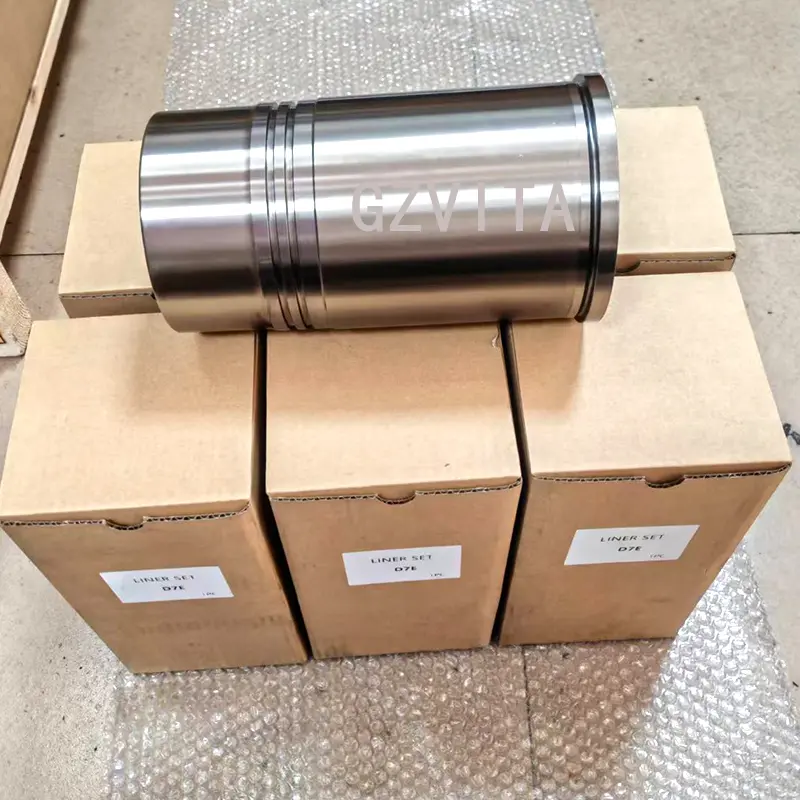
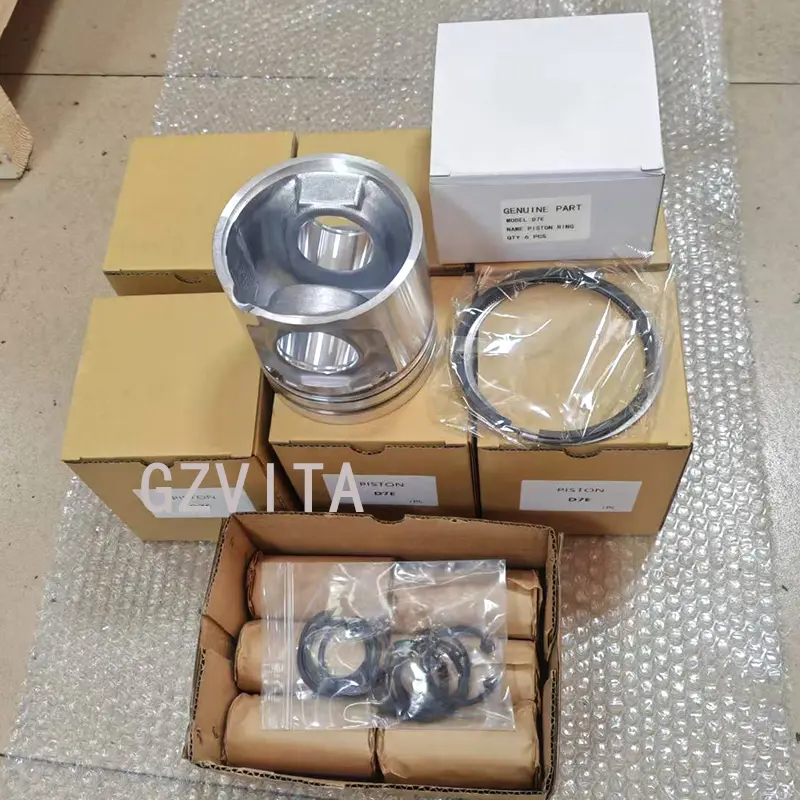
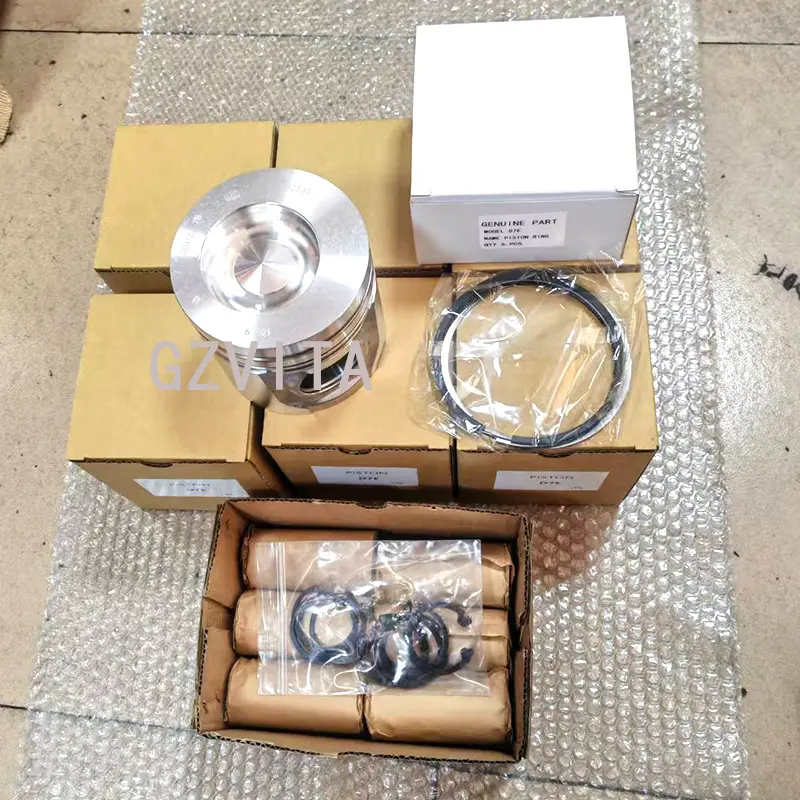
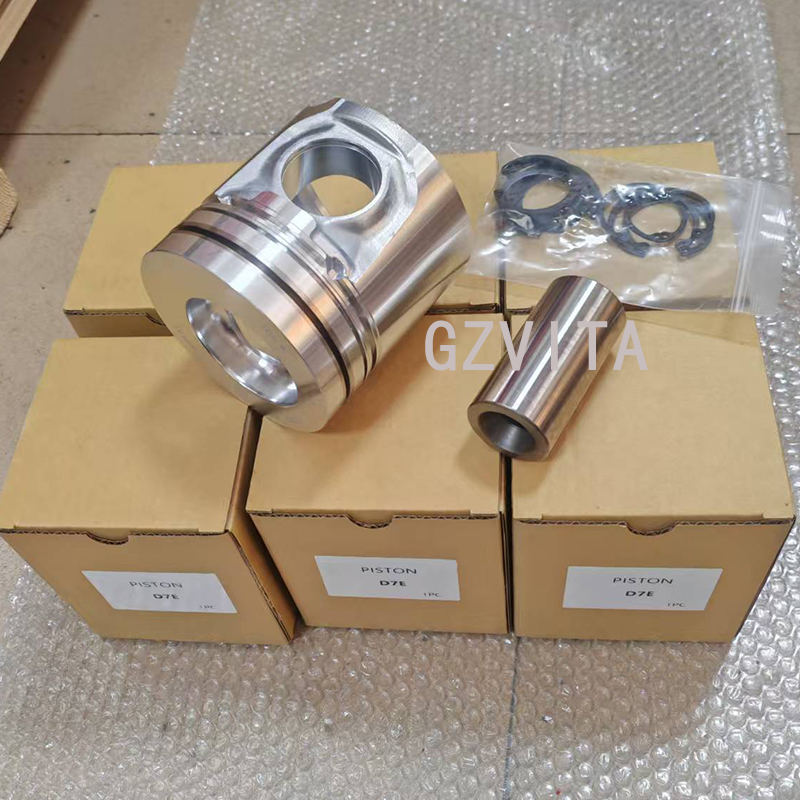
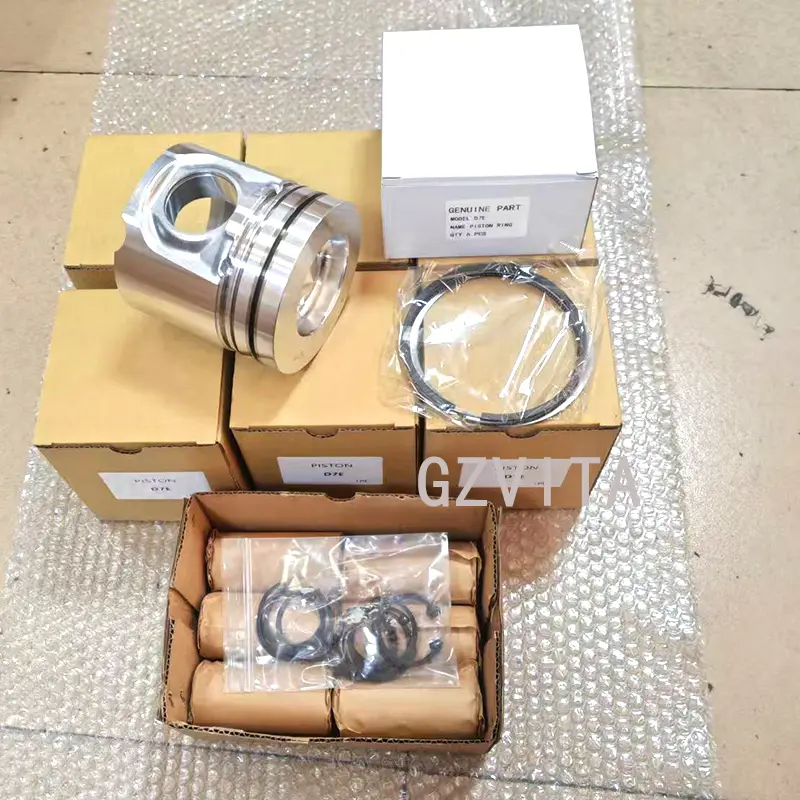
Excavator EC290B Engine D7D Parts Piston Cylinder Liner Piston ring
The Importance of Piston, Piston Ring and Liner for an Engine
The piston, piston ring, and liner are critical components of an internal combustion engine, each playing a vital role in the engine’s overall performance, efficiency, and longevity. Here’s a detailed look at the importance of each component:
1. Piston
Function: The piston is a cylindrical component that moves up and down within the cylinder. It converts the energy generated from the combustion of fuel into mechanical energy, which ultimately drives the crankshaft.
Importance:
Power Generation: The piston is responsible for creating the pressure needed to drive the engine. As the fuel-air mixture ignites, the resulting explosion forces the piston downward, generating power.
Heat Dissipation: Pistons are designed to withstand high temperatures and pressures. They help dissipate heat away from the combustion chamber, preventing overheating and maintaining optimal engine performance.
Sealing: The piston must create a tight seal within the cylinder to prevent the escape of combustion gases, which is essential for maintaining engine efficiency.
2. Piston Ring
Function: Piston rings are circular bands that fit into grooves on the piston. They serve multiple purposes, including sealing the combustion chamber, controlling oil consumption, and aiding in heat transfer.
Importance:
Sealing: Piston rings create a seal between the piston and the cylinder wall, preventing combustion gases from escaping and ensuring maximum power output.
Oil Control: They help regulate the amount of oil that reaches the combustion chamber, preventing excessive oil consumption and minimizing emissions.
Heat Transfer: Piston rings assist in transferring heat from the piston to the cylinder wall, helping to maintain optimal operating temperatures and preventing engine damage.
3. Liner (Cylinder Liner)
Function: The liner, or cylinder liner, is a cylindrical sleeve that lines the interior of the engine block’s cylinder. It provides a wear-resistant surface for the piston to move against.
Importance:
Wear Resistance: Liners are typically made from materials that can withstand high wear and tear, extending the life of the engine by protecting the cylinder walls from damage.
Heat Management: They help manage heat within the engine, ensuring that the combustion chamber remains at optimal temperatures for efficient operation.
Alignment and Stability: Liners provide a stable and aligned surface for the piston, ensuring smooth operation and reducing the risk of misalignment that can lead to premature wear or failure.