
 +86 13794985240






0102030405


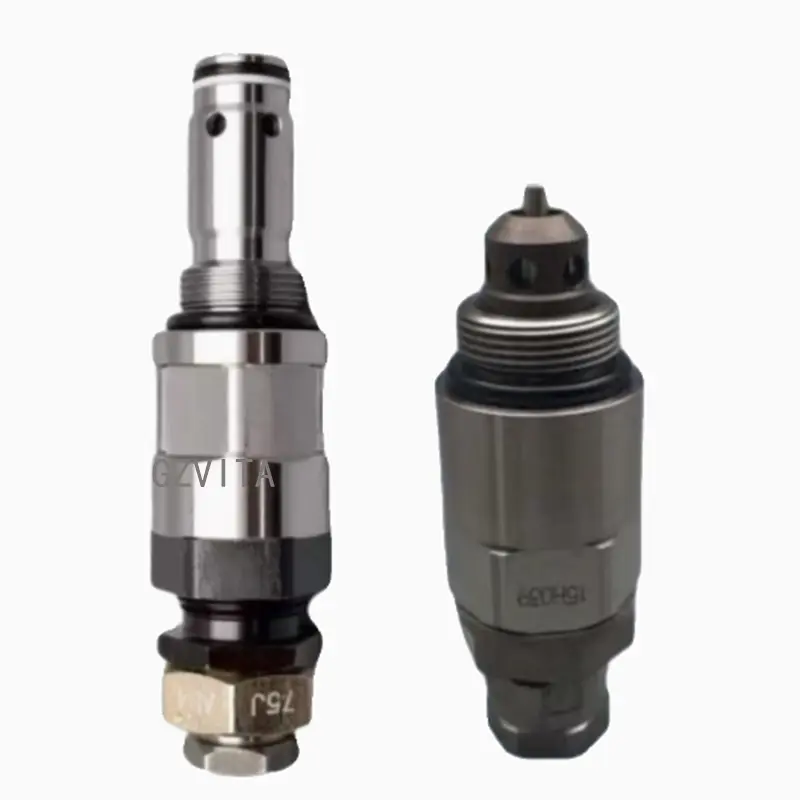
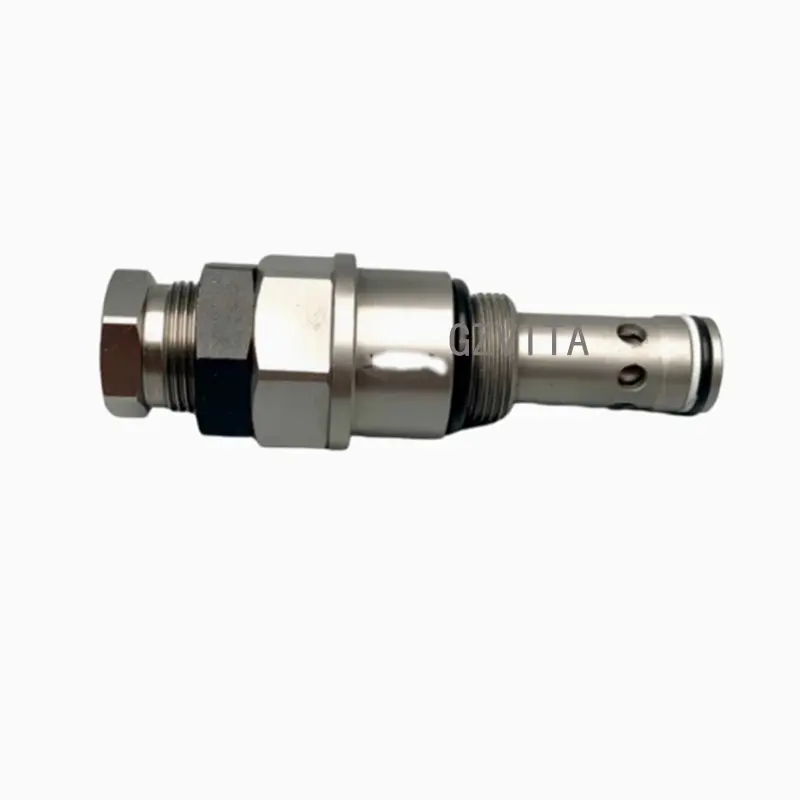
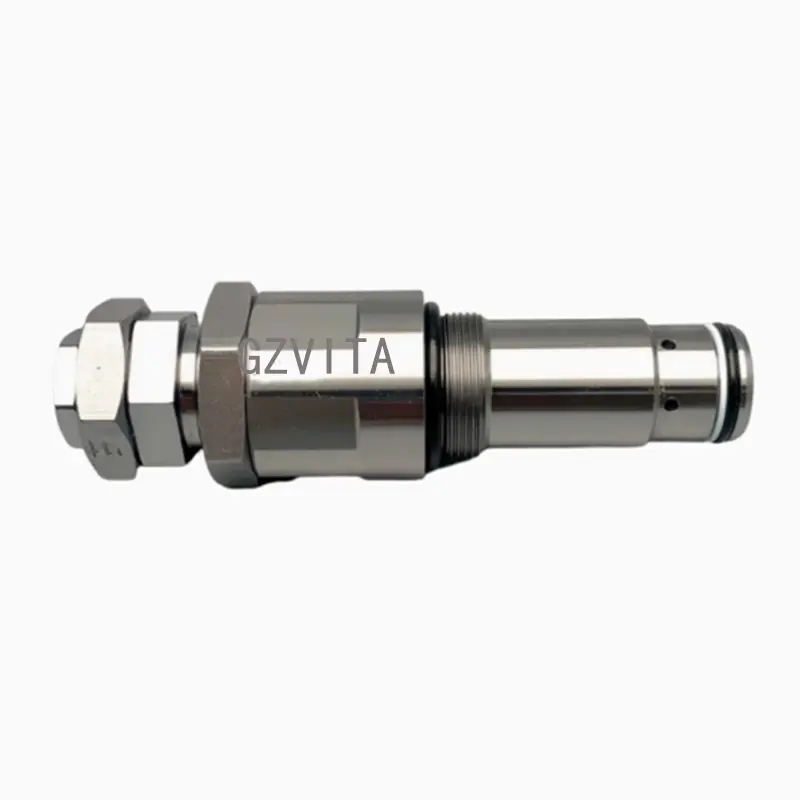
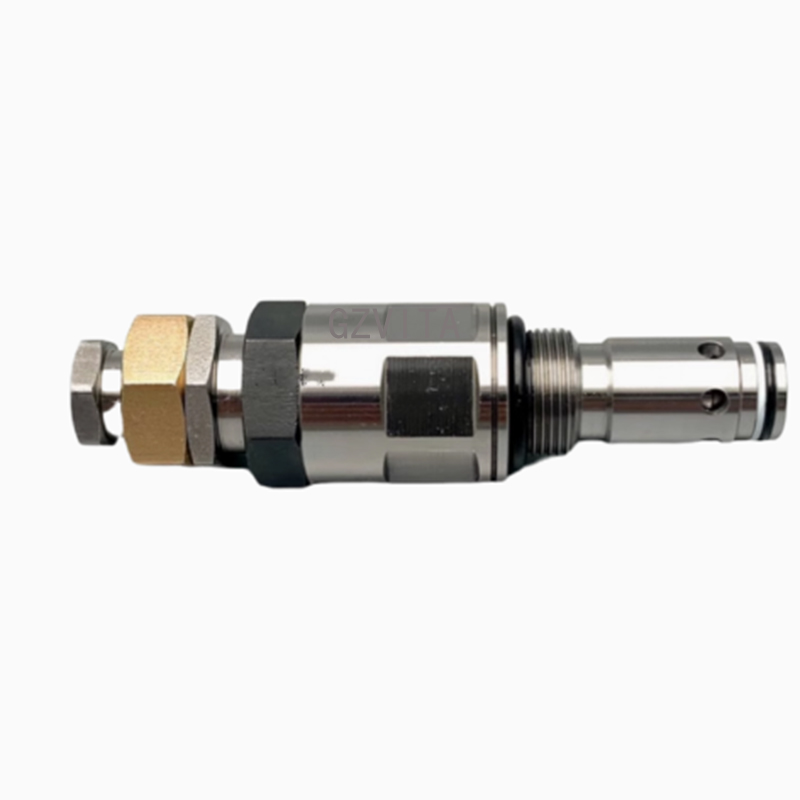
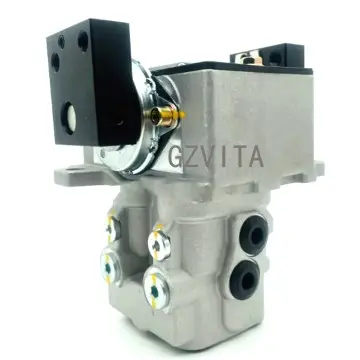
Relief valve Assembly 709-70-51401 For PC200-5 PC220-5
Effect of the Relief Valve Assembly for Excavators
The relief valve assembly is a critical component in the hydraulic system of an excavator. Its primary function is to protect the hydraulic system from excessive pressure, ensuring safe and efficient operation. Here are the key effects and functions of the relief valve assembly in an excavator:
1. Pressure Regulation
The relief valve assembly maintains the hydraulic system’s pressure within a specified range. When the pressure exceeds the set limit, the relief valve opens, allowing hydraulic fluid to bypass back to the reservoir or tank. This prevents damage to hydraulic components and ensures that the system operates within safe parameters.
2. Protection Against Overloading
In the event of an overload condition—such as when the excavator is lifting a load that exceeds its capacity—the relief valve activates to prevent excessive pressure buildup. This protects the hydraulic cylinders, hoses, and other components from potential failure due to overpressure.
3. System Efficiency
By regulating pressure, the relief valve helps maintain optimal performance of the hydraulic system. It ensures that the hydraulic fluid is used efficiently, allowing the excavator to perform tasks effectively without unnecessary strain on the system.
4. Safety Mechanism
The relief valve acts as a safety mechanism, preventing catastrophic failures that could result from excessive pressure. This is crucial for operator safety and the longevity of the excavator. If the hydraulic system were to fail, it could lead to loss of control over the machine, posing risks to operators and nearby personnel.
5. Flow Control
In addition to pressure regulation, the relief valve can also influence the flow of hydraulic fluid within the system. By controlling the amount of fluid that can be diverted back to the reservoir, it helps manage the overall flow dynamics, ensuring that the hydraulic actuators receive the necessary fluid to operate effectively.
6. Response to System Changes
The relief valve assembly is designed to respond quickly to changes in the hydraulic system, such as sudden movements or changes in load. This responsiveness is essential for maintaining control and stability during operation, especially in dynamic environments where the excavator is frequently adjusting its position or load.
Conclusion
In summary, the relief valve assembly is a vital component of an excavator’s hydraulic system, providing pressure regulation, overload protection, and safety. Its proper functioning is essential for the efficient and safe operation of the excavator, ensuring that it can perform its tasks effectively while minimizing the risk of hydraulic system failures. Regular maintenance and inspection of the relief valve assembly are crucial to ensure its reliability and performance in the field.